Example HEAT applications
HEAT case studies
Explore a compilation of 13 HEAT case studies from across Europe and beyond. The report shows how HEAT has been used to assess walking and cycling in different settings.
Featured case studies
Explore four published applications, from national cycling policies to short trips on foot. Each card opens the full case study, with a link to the original study or assessment.

Belgium · 2022
Cycling, health, climate and the economy
An assessment of current cycling and the health, climate and economic benefits of national and regional cycling targets.
Illustrative report photo: © 2014 Nicoletta Di Tanno.
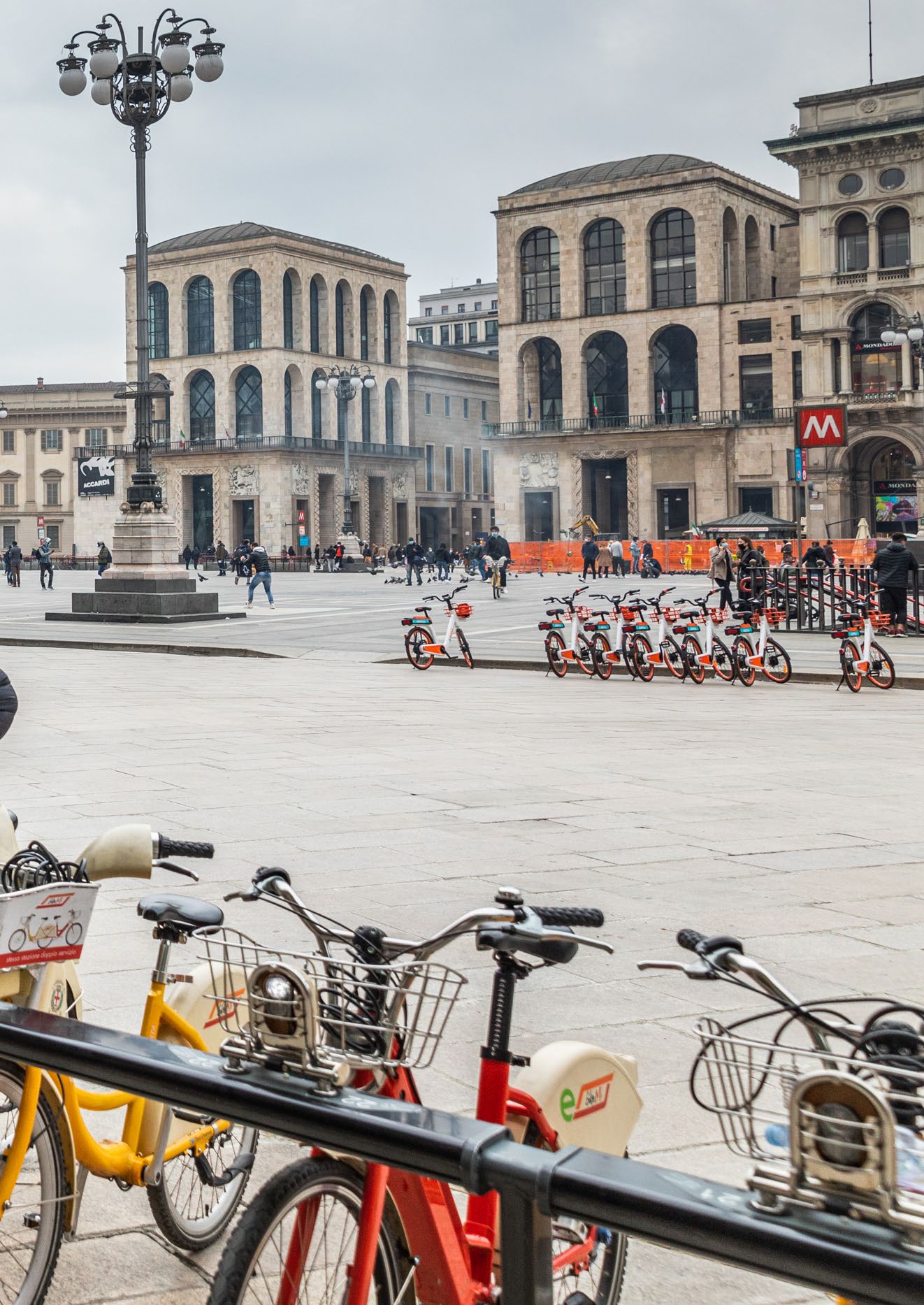
France · 2024
The untapped potential of cycling
A national study of current cycling and the potential benefits of shifting short car trips to cycling.
Illustrative report photo: © WHO Blink Media – Francesca Volpi.
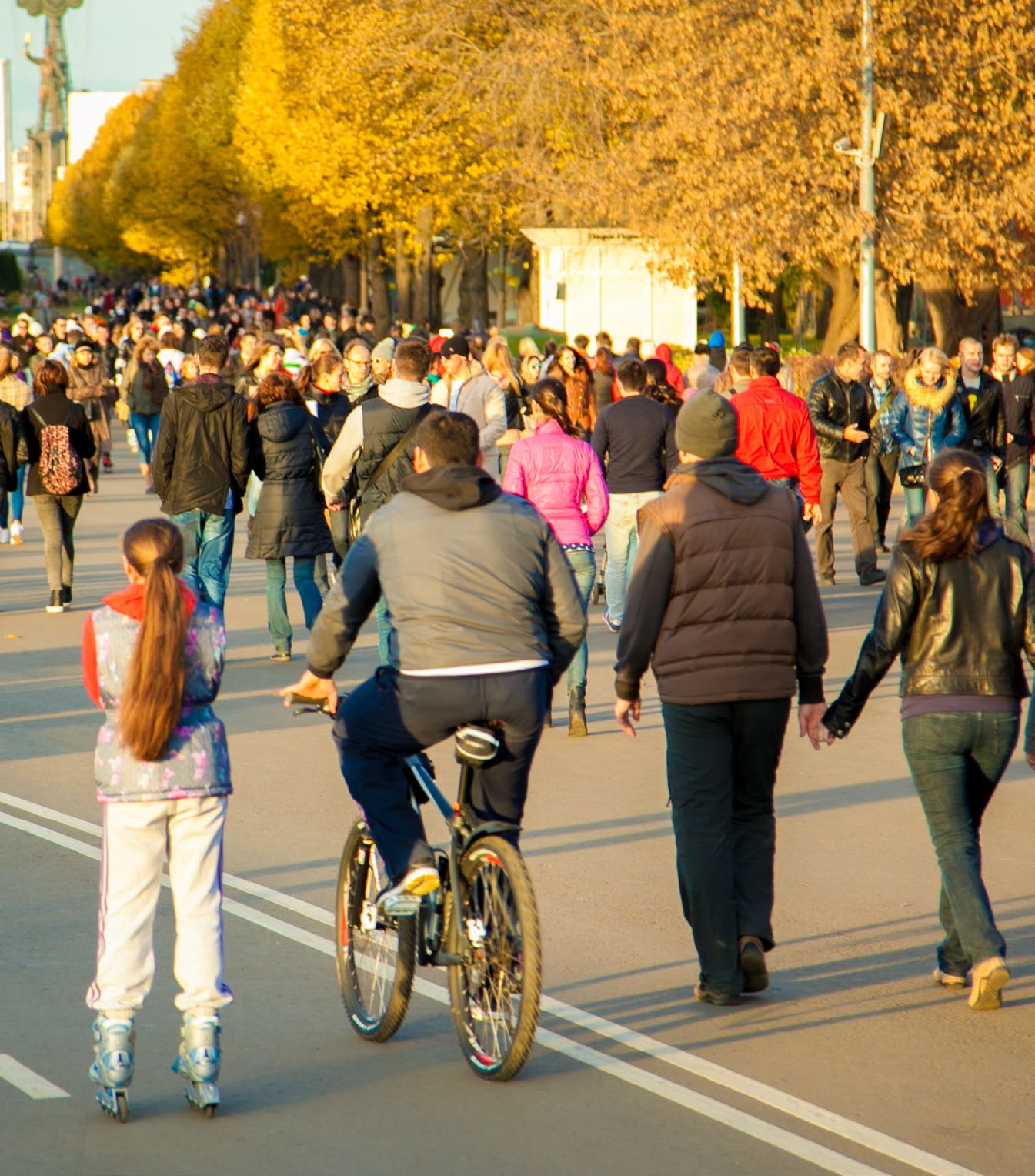
Netherlands (Kingdom of the) · 2017
Who benefits from walking and cycling?
A study of how walking and cycling health benefits vary across demographic and socioeconomic groups.
Report photo: © WHO Sergey Volkov.
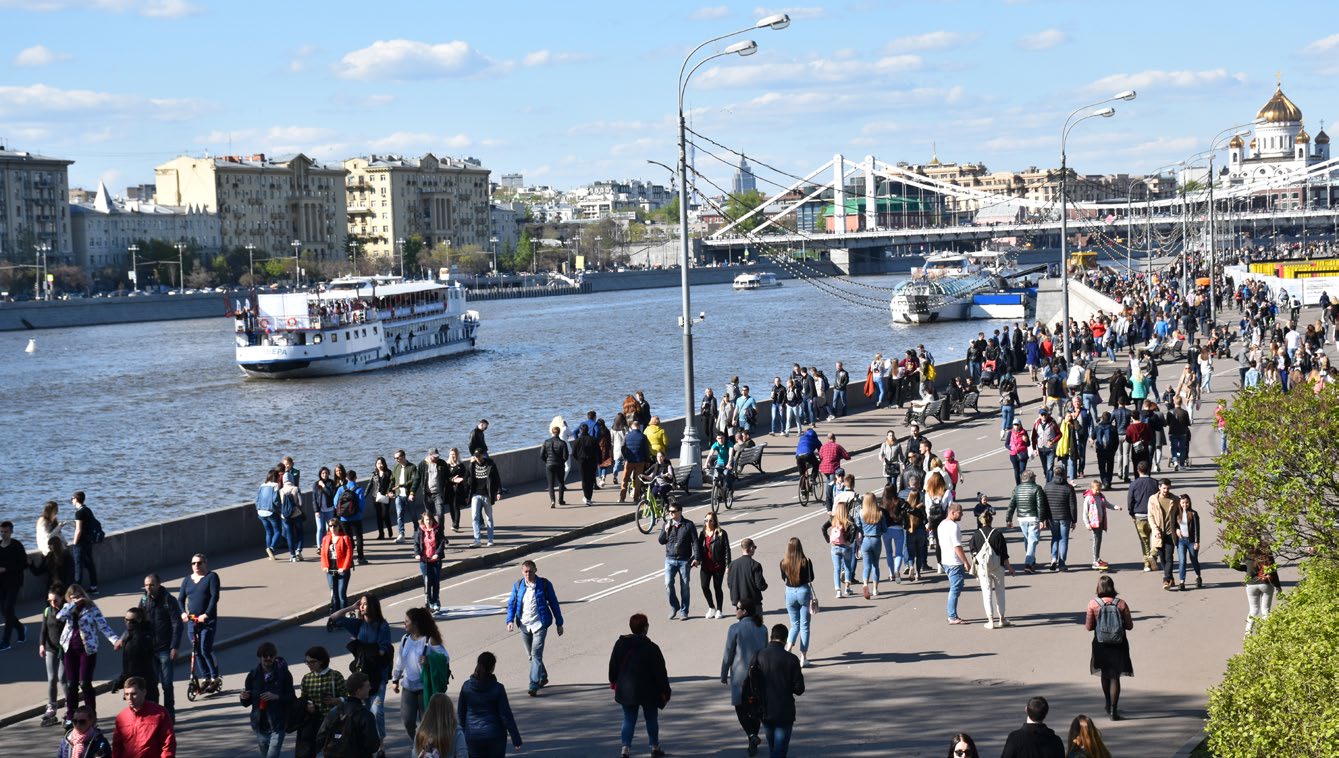
Catalonia, Spain · 2013
Replacing short car trips with walking
A study of the health and economic benefits of replacing short motorized journeys with walking.
Report photo: © WHO Tatiana Vorovchenko.
Multi-country case studies
Three what-if scenarios covering all 53 WHO European Region countries, using documented assumptions where data are missing.
WHO European Region · 53 countries
What could Europe gain from doubling cycling?
An illustration of the regional 2030 target: cycling increases in every country, with the largest increases where current levels are lowest.
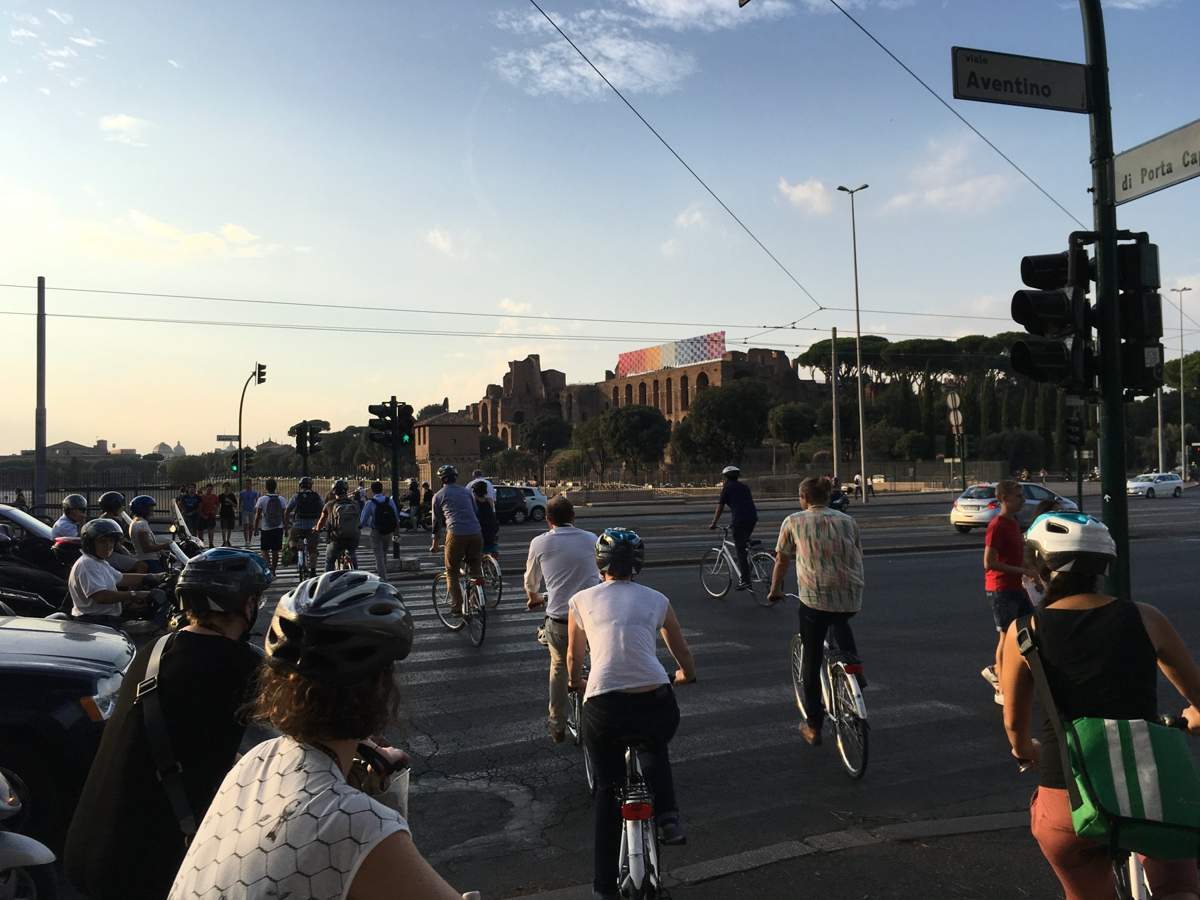
WHO European Region · 53 countries
What could Europe gain from more cycling?
Explore a scenario towards 6 minutes of cycling per person per day, with a further 20% increase in countries already above that level.

WHO European Region · 53 countries
What could Europe gain from more walking?
Explore a scenario towards 20 minutes of walking per person per day, with a further 20% increase in countries already above that level.
What questions can you assess with HEAT?
HEAT can help answer practical questions about the health, environmental and economic impacts of walking and cycling. You can use it to assess current levels, compare two situations, or explore what-if scenarios before an intervention is implemented.
Here are some examples of questions you can explore with HEAT:
What if cycling in my city doubled?
You can use HEAT to explore what might happen if the current level of cycling increased by 100%.
You need data on current cycling levels—or data from a comparable setting if local data are not available. You then compare the current situation with the projected increase using a two-case assessment.
You can define “doubling” in different ways, for example:
- twice as many cycling trips;
- twice the distance cycled; or
- twice as many days of cycling per week.
What if walking and cycling accounted for X% more of all trips?
This scenario explores the potential impact of increasing the modal share of walking and cycling.
You need the current modal share and can then use a two-case assessment to model the percentage increase you want to explore.
What if people in my city cycled as much as people in the Netherlands?
HEAT can compare your current level of cycling with a hypothetical scenario based on another population or setting.
You need your current cycling level and a comparable estimate for the scenario you want to explore. This can be a useful way to illustrate the potential benefits of different levels of active travel before deciding whether or how to achieve them.
What if every adult walked 10 minutes more each day?
You can use HEAT to estimate the potential impact of an increase in walking across the whole adult population.
For this scenario, you mainly need the number of adults in the city. You can then assess the additional 10 minutes of walking as a single-case assessment.
What is the value of the walking and cycling we have today?
If you want to understand the impact of current levels of walking or cycling, you can use a single-case assessment.
You need data on the current level of walking and/or cycling in your city or study area.
What could we gain from building a new cycle path?
HEAT can help explore the potential impact of a planned intervention, even when the future level of cycling is not yet known.
Estimate how much cycling the new path could generate and compare this with the current situation using a two-case assessment. It can be useful to test several scenarios—for example, what happens if people use the path once a week compared with three times a week.
How much did walking or cycling increase after our intervention?
If you have measured walking or cycling before and after an intervention, HEAT can estimate the potential health, carbon and economic effects of the change.
You need data describing the level of walking or cycling in both situations and can then use a two-case assessment.
What happens if walking or cycling decreases?
HEAT can also assess negative changes. For example, you can estimate the potential impact of a decrease in walking or cycling following a policy or infrastructure change.
This uses a two-case assessment comparing walking or cycling levels before and after the change.
What does the rise in e-biking mean for health and climate?
HEAT can also assess the impacts of e-biking (cycling with electric assist).
E-biking provides physical activity, although generally at a lower intensity than conventional cycling. It may also replace motorized travel and therefore reduce carbon emissions. HEAT can estimate both the health effects and carbon emissions associated with e-biking.